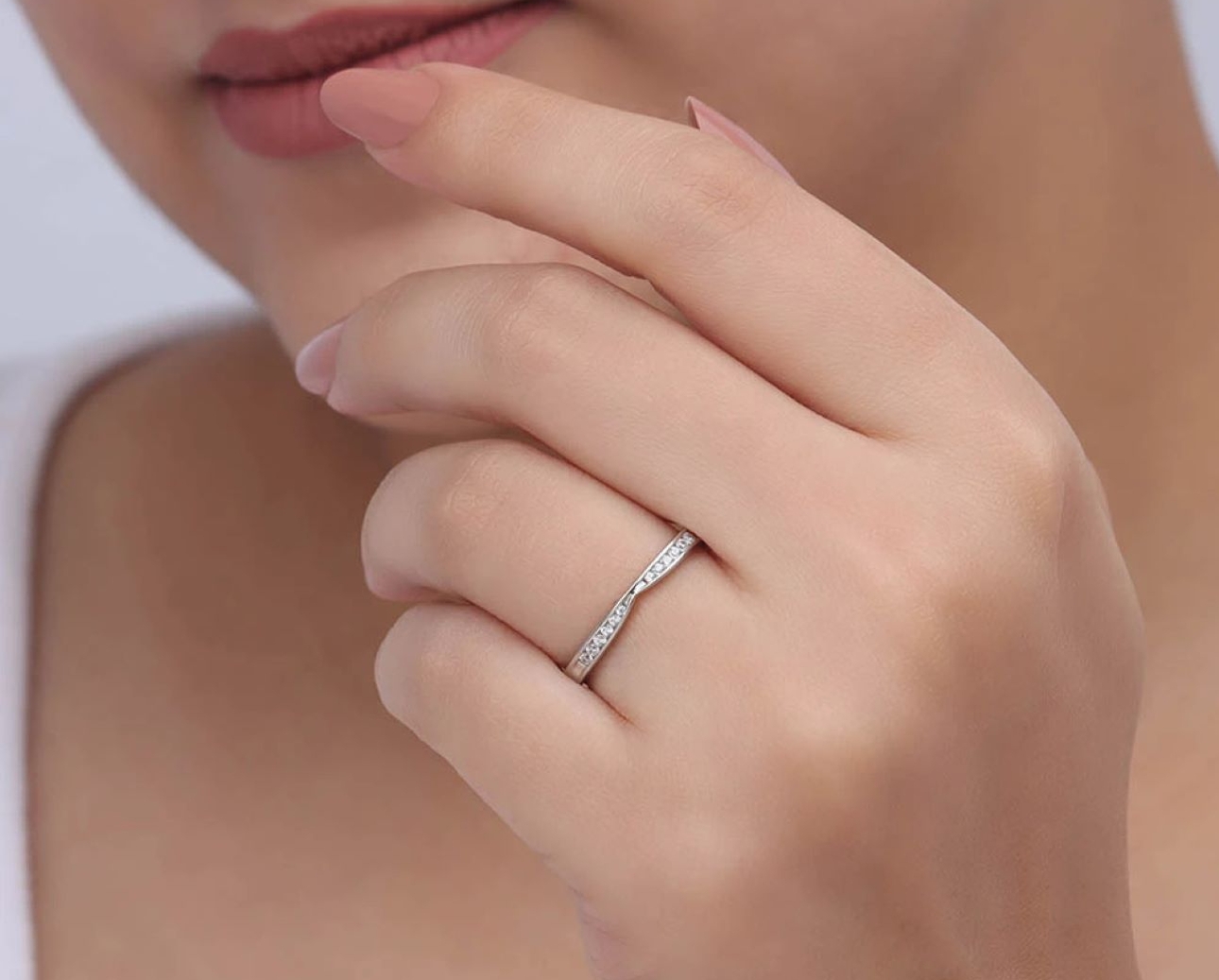
If you've been the lucky recipient of a diamond ring or a piece of jewellery, Nilesh Rakholia, jewellery expert and founder of Abelini, has shared exactly how to care for your precious diamonds to ensure they last a lifetime...
Never wear jewellery while doing these daily jobs Nilesh says: "While it can be tempting to wear precious items such as an engagement ring all the time, daily habits such as cooking and cleaning can damage your jewellery. To avoid this, we always recommend removing jewellery before showering or washing up because the soap can cause a film to form, which can leave rings and bracelets looking dull. "Make sure to wear gloves or remove jewellery completely when cleaning as many products such as bleach can stain jewellery. Similarly, if you're doing jobs in the garden, make sure to remove your jewels to prevent dirt and small rocks from causing damage.
Always take your rings off before bed While sleeping in you wedding ring may seem like a good idea - especially if you're prone to losing things - Nilesh reveals why you might want to re-think this... Nilesh says: "To increase the longevity of your ring, we always recommend taking them off before going to bed as sleeping with your ring on can put pressure on the band, causing it to lose shape. Be careful if you have a diamond ring, because it may catch on your hair or on the duvets while you sleep, which can damage the prongs and cause the diamonds to loosen."
Don't clean jewellery with this item Nilesh says: "Never use toothpaste to clean jewellery as it can cause scratches on the metal, which are especially visible on gold or white gold jewellery. "Instead, use a soft chamois cloth and some jewellery cleaner for an effective and inexpensive way to remove everyday buildups of tarnish before simply rinsing your jewellery with lukewarm water and leaving it to dry. "For an extra deep clean, soak your jewellery in a gentle degreasing solution once a week. Afterwards, use a soft, clean toothbrush to remove dirt from the hard-to-reach places like the back of the diamond, as this is where most oils and dirt are hidden, before allowing it to air dry on a soft, lintless cloth. "Don't forget to visit a jeweller every six months to a year for routine cleaning and inspection, which will increase the longevity of your diamond jewellery. The jeweller will also inspect your jewellery to make sure nothing is loose, and there are no weak areas, which will save you time and money in the long run if a stone eventually falls out."
Always apply make-up before putting on jewellery Nilesh says: "Lotions and perfumes contain various chemicals that can react with metal alloys, damage gems beyond repair, and get into crevices of jewellery like chains and rings, making them dull and dingy. To avoid this, make sure to apply make-up, hair spray and perfume before putting on your jewellery.
Avoid contact with water Nilesh continues: "Whether you're taking a shower, swimming in the pool or sea or doing the dishes, we always advise removing jewellery. "Saltwater, chlorine and chemicals from soap and shampoo can all damage your jewellery, especially metals, pearls and gems. Pearls soften when soaked in water while chlorine damages and discolours metals, and deteriorates the polish of gemstones. Water also causes your fingers to shrink, which makes it easy for jewellery to slip off and get lost.
Store jewellery in this safe space Nilesh says: "Make sure to keep your jewellery out of direct sunlight as this can bleach and damage delicate jewellery. For example, silver tarnishes when exposed to direct sunlight and topaz, opals, and amethyst can fade or change colour when exposed to heat from the sun. "The most secure place to store your diamond jewellery safe is in a jewellery box with divided sections. Just remember to never keep diamonds in the same case or box section with other jewellery as diamonds can easily scratch another diamond when in contact with each other. "If you're heading on holiday, consider swapping for a cheaper alternative to keep your precious jewellery pieces safe."
RSVPing 'YES' to multiple weddings? Here's how to budget!
Attending weddings can be a joyous occasion, but it can also be expensive, particularly if you're invited to more than one over the course of the year. Costs such as new outfits, travel and accommodation, and gifts mean the overall expense of attending can quickly add up. Duncan Fortune, Head of Commercial at Tesco Bank, says: "Wedding season can be a significant expense for households. Planning ahead and setting a dedicated budget for celebrations can help spread the cost over several months, allowing people to make the most of the celebrations while keeping their finances on track."
READ ARTICLE
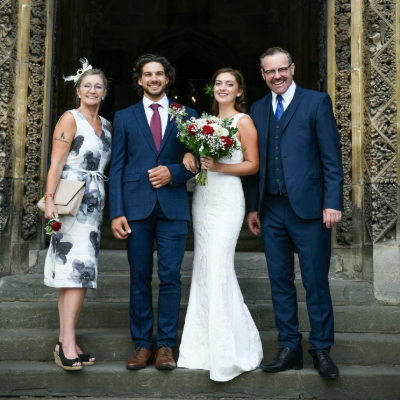
How to treat the father-of-the-bride this Father's Day
Father's Day is the perfect excuse to celebrate the father of the bride. After all, he's been there through the wedding planning, the emotional speeches, the last-minute panics and probably more than a few budget discussions too. Whether the wedding has already happened or it's still to come, Father's Day is a brilliant opportunity to show him just how much he's appreciated. If you're looking to do something a little more exciting than buying another novelty mug or pair of socks, wedding experts The Stag Company share their favourite experiences that can make the day feel extra special.
READ ARTICLE
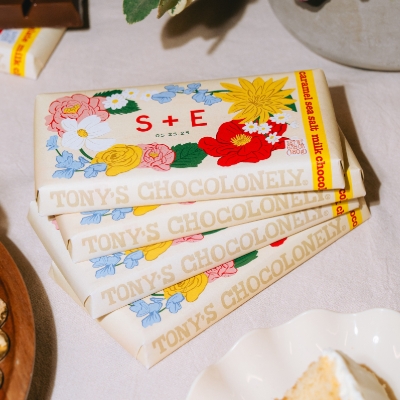
Say it with chocolate: Tony’s Chocolonely’s personalised wedding bars
Ethical chocolate brand Tony's Chocolonely is helping couples add a personalised touch to their wedding celebrations with its customisable chocolate bars, offering a sustainable alternative to traditional wedding favours. From engagement announcements and bridesmaid proposals to place settings and guest gifts, the brand's personalised bars can be tailored with names, photographs, table plans or bespoke messages, creating a keepsake that guests can enjoy long after the celebrations have ended.
READ ARTICLE
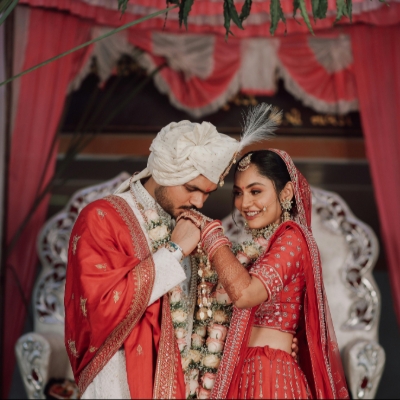
Everything you need to know about faith marriages this wedding season
Thousands of couples will say their vows this wedding season believing they're legally married, only to discover, when it matters most, that they might not be. Faith marriages are an increasingly complex issue for UK couples, with leading law firm Mills & Reeve seeing a steady rise in clients who discover – often much later – that their wedding does not carry the legal status they assumed. Jane Ingleby, partner at Mills & Reeve, explains why so many marriages fall into a legal grey area, and what couples should check before they walk down the aisle...